
Hull Performance
Maximize Vessel Efficiency. Minimize Fuel Costs. Predict Maintenance with Precision.
In the age of digital transformation and decarbonization, maintaining optimal hull performance is critical for every ship operator. Hull fouling and degradation—caused by marine growth, coating wear, and mechanical erosion—can silently drain vessel efficiency, resulting in increased fuel consumption, higher emissions, and operational costs.
Ecosail Infotech’s Hull Performance Optimization Module empowers fleet managers and shipowners with data-driven tools to monitor, analyze, and optimize hull condition in real time. Leveraging hydrodynamic modeling, automated efficiency loss tracking, and predictive analytics, our platform identifies when and where hull performance starts to degrade—allowing timely intervention through in-water cleaning, dry-docking, or coating renewal.
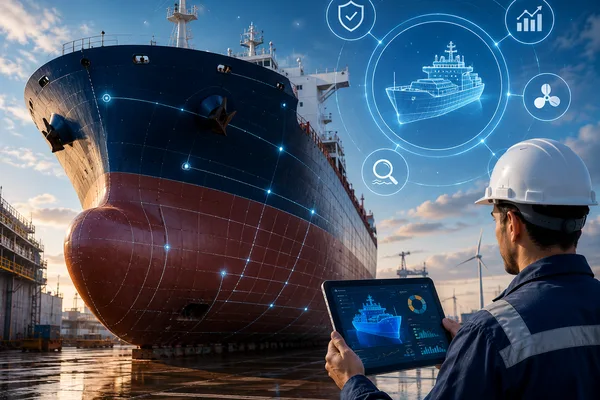
The Problem with Hull Degradation
Even the most well-maintained hulls degrade over time. Biofouling, mechanical wear, and paint erosion increase surface roughness and hydrodynamic drag, impacting propulsion efficiency.
Impacts of Hull Performance Degradation:
- Up to 20–40% increase in fuel use for heavily fouled vessels
- Rising operational costs due to inefficient propulsion
- Higher CO₂ emissions, worsening CII (Carbon Intensity Indicator) ratings
- Poor environmental compliance (IMO, EU MRV, ETS)
- Unplanned dry-docking or downtime due to undetected performance loss
Traditional maintenance relies on calendar-based cleaning schedules, not actual vessel condition. Our software changes that.
What Is the Hull Performance Optimization Module?
This intelligent system continuously evaluates a vessel’s hydrodynamic efficiency, identifies hull performance trends, and calculates fuel penalties due to fouling or coating degradation. It turns raw voyage and engine data into actionable recommendations, helping users optimize maintenance cycles and fuel strategies.
Core Features
Real-Time Performance Analytics
- Automated ingestion of ship performance data: GPS, speed over ground, engine load, RPM, fuel flow, and weather conditions
- Comparison against hydrodynamic baselines for each hull type
- Real-time tracking of hull efficiency loss vs. design condition
Hull Degradation Tracking
- Tracks progressive loss in speed at constant power (or vice versa)
- Differentiates between:
- Biofouling-induced drag
- Mechanical abrasion or coating wear
- Trim imbalance or propeller inefficiency
- Generates visual trend lines and deviation alerts for technical teams
Voyage-Based Efficiency Reports
- Calculates Effective Hull Roughness (EHR) for each voyage
- Provides a Voyage Efficiency Score (VES) based on hull, propulsion, and weather factors
- Highlights high-drag voyages and compares to sister vessels on similar routes
Predictive Maintenance Recommendations
- Machine learning models forecast when performance loss will reach critical thresholds
- Suggests optimal cleaning dates or dry-docking windows
- Integrates cost-benefit analysis to determine if cleaning now saves more than waiting
Dry-Docking & Coating Planner
- Historical analytics on antifouling coating performance
- Tracks coating ROI by correlating product life cycle with fuel savings
- Recommends the best time to recoat or reapply advanced antifouling systems based on cost and performance
Data Inputs & Analysis Models
The Hull Performance Optimization module supports automatic and manual data inputs including:
- Voyage Data: Speed, RPM, draft, trim, weather, wind/wave data
- Fuel Use: Flowmeters, engine load, shaft torque
- Maintenance Logs: In-water cleaning, coating application, dry-docking
- Sensor Inputs: Hull condition monitoring sensors (optional integrations)
It uses advanced hydrodynamic models, empirical drag equations, and AI/ML-driven regression algorithms to normalize performance against environmental conditions.
Key Benefits
Fuel Savings & Emissions Reduction
- Quantify the fuel penalty from hull degradation
- Optimize cleaning to restore hydrodynamic efficiency
- Achieve 5% to 15% average fuel savings per vessel annually
Improved CII Ratings
- Reduce carbon intensity with lower drag and smarter routing
- Directly support IMO DCS, EU MRV, and EU ETS compliance through cleaner hulls
- Proactively maintain or improve CII band ratings (avoid "D" or "E")
Predictive Maintenance Over Reactive Schedules
- Replace guesswork with predictive data
- Schedule in-water cleaning only when needed, minimizing downtime
- Prevent late interventions that cost more and risk penalties
Reduced Coating Degradation
- Monitor antifouling coating lifespan in real conditions
- Avoid over-cleaning and premature erosion
- Plan effective dry-docking cycles and save on recoating costs
Operational Transparency
- Generate performance logs and efficiency reports for charterers, regulators, and internal audits
- Align with ESG and Poseidon Principles reporting standards
Use Case Example
A container vessel operating on the Asia-Europe route shows a steady 8% drop in fuel efficiency over 3 months. The system identifies this is due to rising hull drag rather than engine performance. The software recommends in-water hull cleaning in Rotterdam. Post-cleaning, fuel use per nautical mile drops by 12%, improving the ship’s CII rating and saving over $80,000 USD in annual fuel cost.
System Integration & Technical Details
- Web-based dashboard with mobile/tablet access
- Integration-ready APIs for EMS, VMS, and performance monitoring platforms
- Fleet-wide dashboard for comparative analysis across multiple vessels
- Exportable to Excel, PDF, JSON, and EDI formats for reporting
Supports integration with:
- Hull condition sensors
- Voyage Data Recorders (VDR)
- Fleet ERP/maintenance systems
Security & Privacy
- End-to-end encrypted data flow
- Role-based access control
- GDPR & IMO cyber-security compliant
- Customizable data retention and audit logs
Who Benefits from Hull Performance Optimization?
- Fleet Managers: Optimize dry-docking schedules and cleaning frequency
- Technical Superintendents: Monitor coating and fouling performance
- Fuel Managers: Track voyage-level fuel penalties and ROI of maintenance
- Sustainability Officers: Feed real data into ESG and GHG reports
- Charterers: Ensure consistent vessel performance and fuel transparency